What Homeowners need to know
This is an aggressive perennial that spreads underground and is extremely difficult to remove.
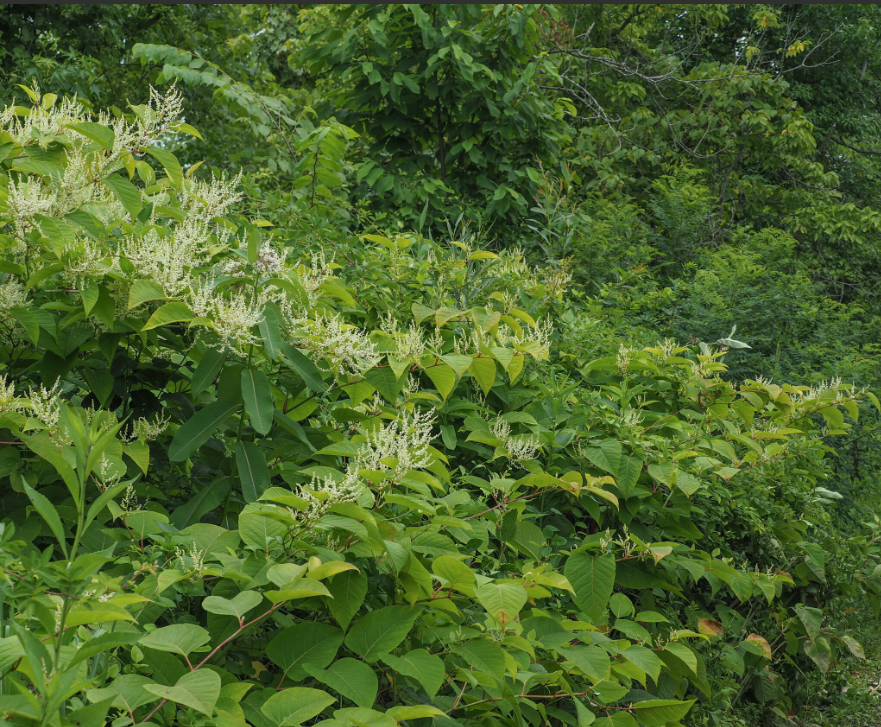
Japanese knotweed (Reynoutria japonica, formerly Fallopia japonica) is one of the most notorious invasive plants in the United States, and we haven’t even caught up yet with England, where it is so bad that you can’t get a mortgage if it is on the land. Originally introduced from East Asia as an ornamental, it quickly escaped gardens and now spreads along roadsides, streambanks, forest edges, and residential properties. Its bamboo‑like stems and dense thickets can overwhelm native vegetation, damage infrastructure, and persist for decades if not managed carefully.
Why Japanese Knotweed Is a Problem
This plant is more than just a vigorous grower — it’s a structural and ecological threat. Japanese knotweed:
- Forms dense, towering stands that block sunlight and crowd out native plants
- Spreads aggressively through deep, extensive rhizomes
- Can push through cracks in pavement, retaining walls, and foundations
- Thrives in disturbed soils, streambanks, and rights‑of‑way
- Rebounds quickly after cutting, mowing, or digging
Once established, knotweed can dominate a site, reduce biodiversity, and create long‑term maintenance challenges for homeowners and land managers.
How to Identify It
Japanese knotweed is distinctive once you know the key features:
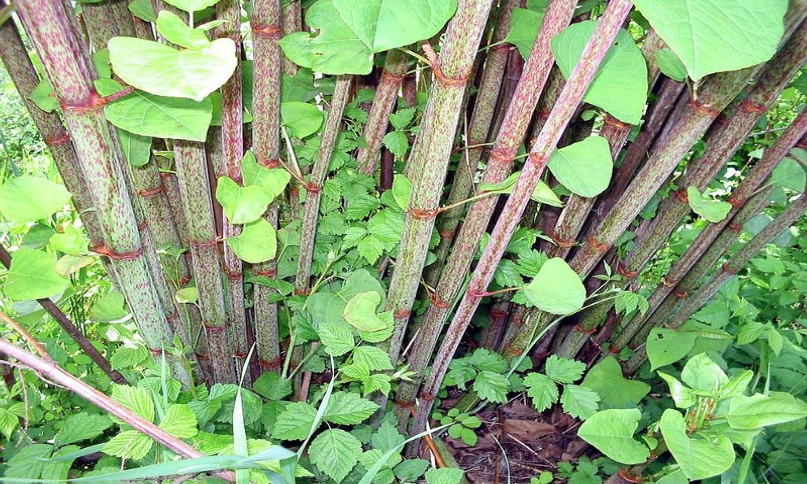
- Tall, bamboo‑like stems with noticeable nodes
- Heart‑shaped or broadly oval leaves arranged alternately along the stem
- Hollow, jointed canes that die back each winter
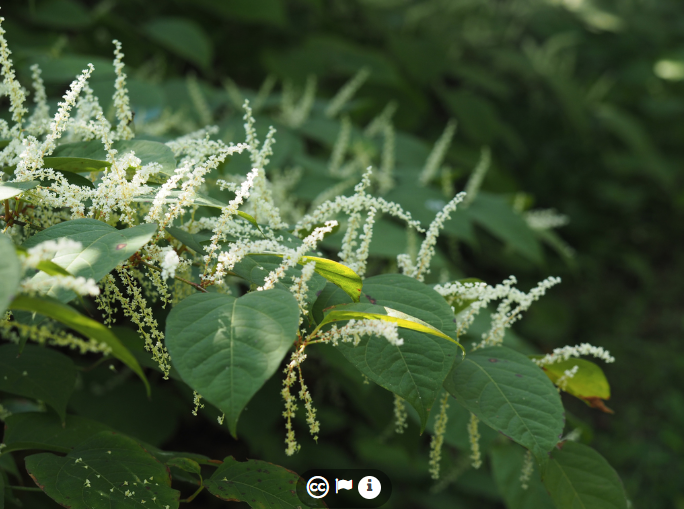
- Creamy white flower clusters in late summer
- Dense thickets that emerge from reddish shoots in early spring
Winter stems remain standing as dry, tan canes — a helpful clue for spotting infestations during the dormant season.
How It Spreads
Japanese knotweed spreads primarily through rhizome fragments, not seeds. Even a small piece of root or stem can generate a new plant. Common spread pathways include:
- Soil movement during construction
- Dumped yard debris
- Flooding that carries rhizome pieces downstream
- Mowing or cutting that scatters fragments
Because fragments remain viable for years, preventing disturbance is essential.
How to Control It
Japanese knotweed is not a plant you can remove in a single season. Successful control requires persistence and carefully following the recommendations. It is very complicated! Except for tiny infestations, managing this species is best done by experts. Read about it here.
Cutting & Smothering
- Repeated cutting (every 2–3 weeks) can weaken the plant. WARNING: You will need to carefully bag all the cuttings, since the smallest stem could re-root.
- Covering with heavy, opaque tarps for multiple seasons may suppress regrowth
- Edges must be secured tightly to prevent shoots from escaping
Digging
- Not recommended for large patches — rhizomes can extend 10+ feet deep and wide
- Disturbance often spreads fragments and worsens the infestation
Herbicide Treatment
- This is the usual approach. Timing is very important - read about it first.
Long‑Term Monitoring
- Expect regrowth for several years
- Treat new shoots promptly to prevent reestablishment
After Removal: Restore the Site
Bare soil left behind by knotweed invites other invasives. Replanting with native shrubs, grasses, and wildflowers helps stabilize the area and resist reinvasion. Monitor the site regularly and remove any new knotweed shoots immediately.
Source: Penn State Extension Japanese Knotweed fact sheet