
 What Homeowners Need to Know
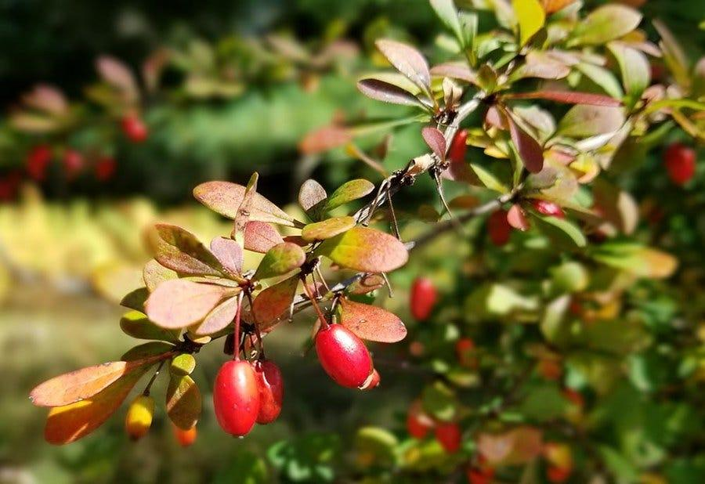
Japanese barberry (Berberis thunbergii) is a small ornamental shrub introduced from Asia and widely planted for its bright red berries, tidy shape, and ability to thrive in poor soils. But despite its popularity in landscaping, barberry has become a serious invasive threat across Fairfax County’s forests, parks, and neighborhood woodlots.
It forms dense, thorny thickets that crowd out native plants, alter soil chemistry, and create humid pockets that are ideal for ticks. Birds eat the berries and spread the seeds far beyond garden beds, allowing barberry to establish in natural areas where it quickly dominates the understory. Once it takes hold, it expands aggressively and is difficult to remove.
Why Japanese Barberry Is Such a Problem
- Forms dense, thorny thickets that block native plant growth
- Alters soil chemistry and favors other invasive species
- Creates humid microhabitats that support ticks
- Produces abundant berries that birds spread widely
- Invades forest edges, roadsides, pastures, and disturbed woodlots
- Expands rapidly once established
How to Identify It
(See detailed photos of Fairfax examples on iNaturalist)
- Dense, rounded shrub typically 2–6 feet tall
- Small, spoon-shaped leaves that may turn red or purple in fall
- Sharp single‑spine thorns at each node
- Bright red berries that persist into winter
Look‑Alikes
Two other barberry species resemble Japanese barberry closely, but both can be distinguished by their three‑pronged spines, unlike the single spine found on Japanese barberry.
- Allegheny barberry (Berberis canadensis) — A native species with coarse leaf serrations and three‑part spines. It is not native in Northern Virginia though possibly might have been planted in a garden.
- European barberry (Berberis vulgaris) — Also has three‑pronged spines and serrated leaves. It is much less common than Japanese barberry but still occasionally encountered.
These spine and leaf differences make identification straightforward once you know what to look for.
How It Spreads
- Birds eat the berries and disperse seeds widely
- Seeds germinate readily in forests, fields, and disturbed soils
- Dense thickets expand outward as shrubs mature
- Thorny growth discourages wildlife movement, allowing invasives to dominate
For More Information
To learn more about this invasive species, including methods to control it, please visit Penn State Extension for the full Japanese Barberry Fact Sheet.