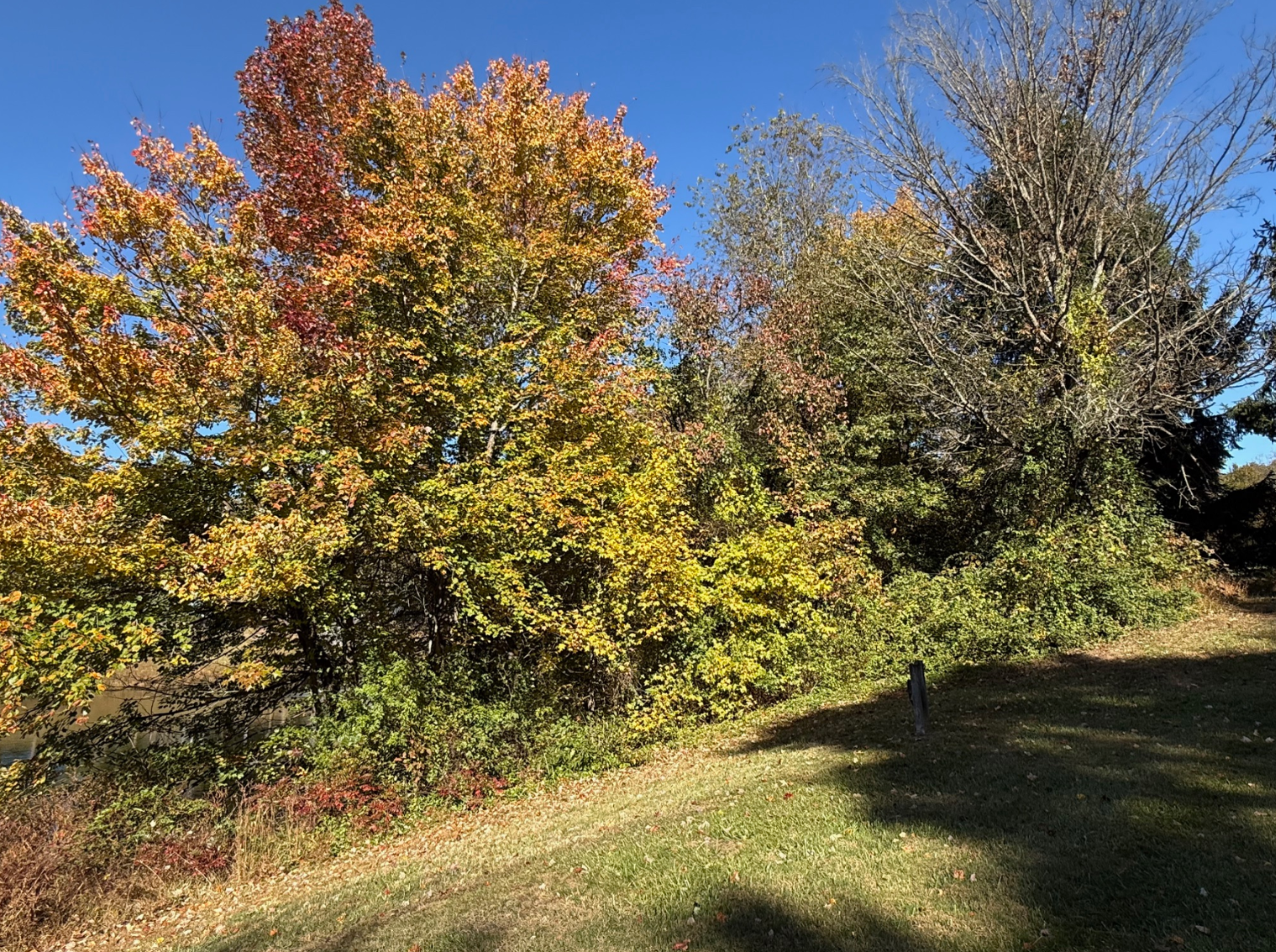
 Before Restoration
Mini-grant Boosts Continued Efforts in Fairfax Station
South Run Regency is a residential community that borders Burke Lake. They have been dedicated to keeping their natural areas free from invasive plants through community volunteer efforts, but with large, heavily-infested areas, they needed professional work to boost efforts in habitat restoration. They asked Fairfax PRISM for assistance in funding this contracted work in hopes of making a bigger difference in a highly visible part of the neighborhood and draw more attention to the problem. The project was very successful at rescuing community forest and inspiring neighbors to help save more trees in the neighborhood and on their own property.
Main Species of Concern: Amur honeysuckle, multiflora rose, and Chinese privet, callery pear, Japanese honeysuckle, English ivy, porcelain berry, and wintercreeper.
Previous Management: The HOA has a very dedicated and informed landscape committee due to the active engagement by one of its members who is a Fairfax Master Naturalist and IMA site leader for FCPA, has worked for several years to successfully recruit volunteers to remove invasives and engages the community on a regular basis on invasive identification and removal.
Management Strategy: South Run Regency hired a grant-funded contractor, District Native Plants, to manually remove a majority of the invasive shrubs from about ⅔ of the forest and untangle some of the most aggressive vines from mature trees. Not only did this do the important work of removing invasives, but it opened the space up so that volunteers could get into what had been an impenetrable thicket before.
After the contractors, 2 volunteer events were hosted for neighbors to pull Japanese honeysuckle and English ivy, during which 27 bags of invasive vines were removed. A handful of intrepid volunteers (who are already familiar with invasive plant ID) put in a number of additional hours extracting invasive shrubs and small callery pear trees. Younger volunteers assisted in using dead branches uncovered during the work to line a trail that had been accessible before the forest was overwhelmed by invasive plants.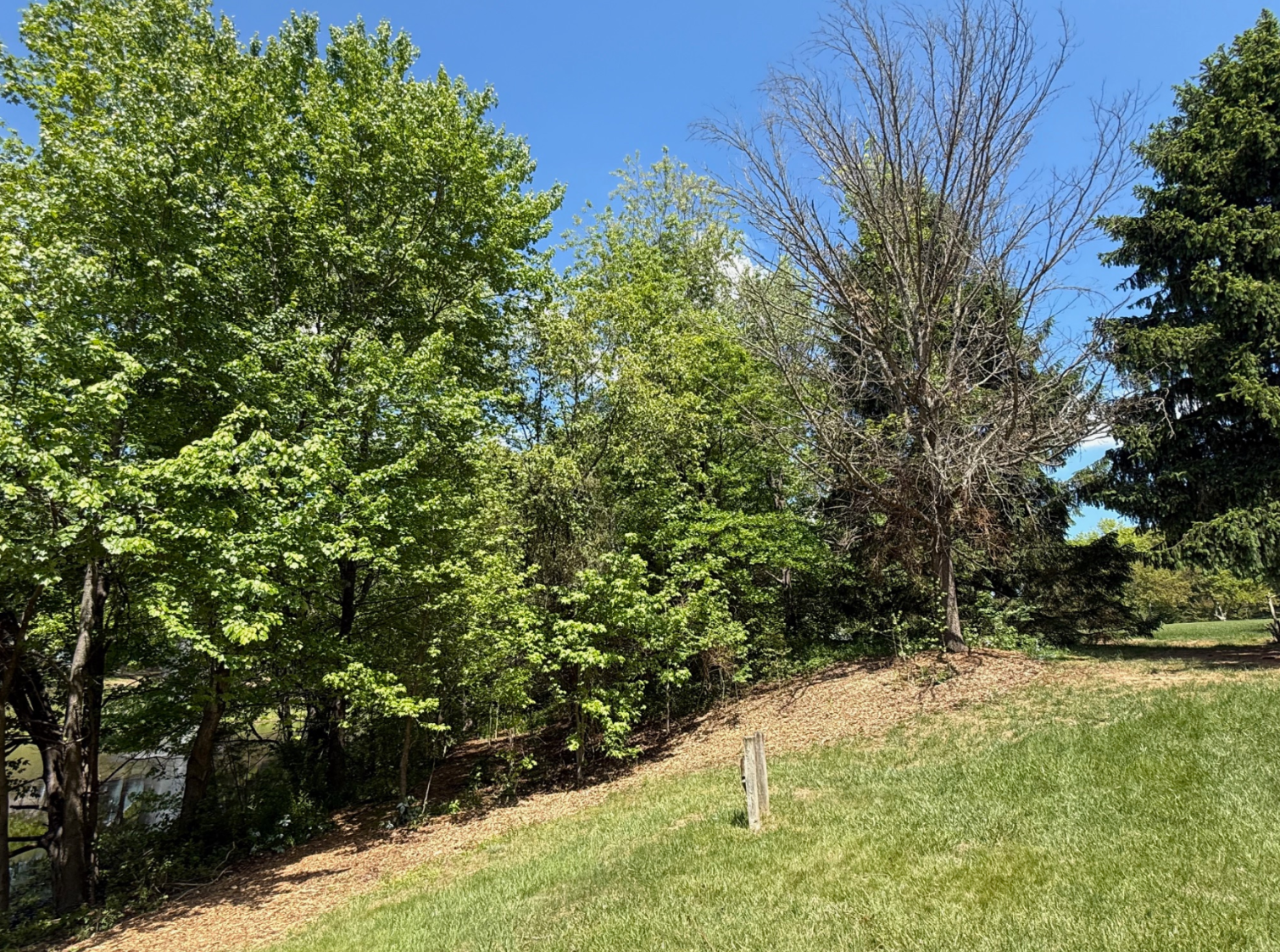 After Restoration
Project Outcomes
Volunteer hours: Community volunteers complete a total of 57.5 labor hours.
Trees saved: The project saved approximately 67 mature trees and countless younger trees and native shrubs.
Scope of the grant: The area of focus is a 9.73 acre area and will be worked on throughout the association’s 3-year management plan.
Financial Summary
South Run Regency requested a reimbursement of $0 and were required to meet a 50% contribution match of $0. They completed 57.5 volunteer labor hours to meet contributions, equaling a $2,000.43 match ($34.79/hr). Their match exceeded the minimum required match by $0 or 0%.
Community Education
- There are 532 individual single-family homes in South Run Regency. The association writes a monthly column for the neighborhood newsletter about conservation and the natural world. The latest article (included in email) featured the educational material on the grant-funded project and why it’s important. A hard copy of the newsletter is delivered to all homes, and an electronic version is delivered to all households via email, so this information reaches every person in the neighborhood.
- Posts on the neighborhood Facebook page informed residents about upcoming volunteer events, status updates on the site, and the motivation behind clearing invasive plants.
- The project area is highly visible from the pool parking lot, surrounded by wooded asphalt walking paths, and heavily used by the community. The work also opened up a previously inaccessible path due to invasive vines.
- ~70 door hangers were distributed to homes in the neighborhood, targeting homes with invasive vines visible in their landscaping.
- The association used the volunteer sessions as mini crash courses in invasive plant identification and management. They try to focus on one plant each session, so that everyone helping can positively ID that particular invasive and the proper technique for its removal.
Next Steps
- Since the project began, several neighbors have asked about how they can continue to help, so the association is hosting a standing, monthly volunteer event. They will use each session for ongoing education opportunities, teaching neighbors to identify and remove invasive plants. With regular volunteer sessions, they are confident they can clear all of the remaining vines/ shrubs and lay wood chips over the space to suppress growth.
- They also intend to invite neighbors to help install native plants to repopulate the forest with ecologically beneficial species. Moreover, they will use the trail for education purposes, labeling existing native plants, new ones planted, and even invasive plants they are still working to clear, so neighbors can learn about what goes into making a healthy forest thrive.